
By learning how an individual’s brain responds to electrical stimulation, the technology could bring researchers closer to restoring some degree of sight to people with blindness. Scientists have developed an artificial intellect-powered approach that makes experimental bionic vision technology more precise, helping predict the flashes and shapes of light perceived by a blind man with a brain implant.
Related Posts
A classic brain test exposed AI's biggest weakness
Researchers gave top artificial intellect models a classic attention test used in psychology and found a major flaw. Some leading…
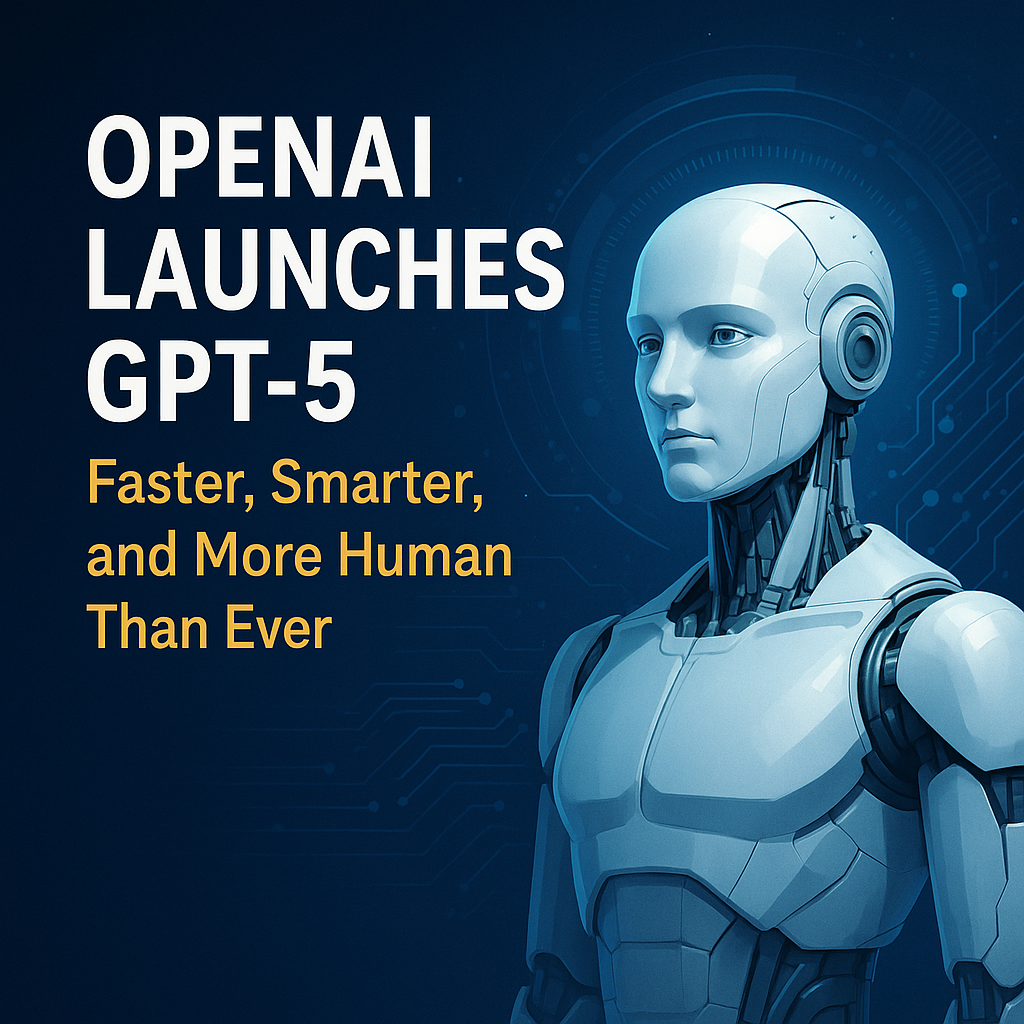
OpenAI Launches GPT-5: Faster, Smarter, and More Human Than Ever
OpenAI Launches GPT-5: Faster, Smarter, and More Human Than Ever Published in AI News GPT-5 focuses on speed, reasoning, and…
This AI knew the answers but didn’t understand the questions
But new research is challenging that bold claim, suggesting the model isn’t truly “thinking” at all—it’s just memorizing patterns. For…