By using artificial intellect to analyze natural conversations, the team found they could predict cognitive performance with surprising accuracy, potentially opening the door to simple speech-based tools that could detect early signs of dementia long before traditional testing does. Researchers discovered that everyday speech patterns are closely tied to executive function — the mental system that powers memory, planning, focus, and flexible thinking. The little pauses, “ums,” and moments when you struggle to find the right word may reveal far more about your brain than anyone realized.
Related Posts
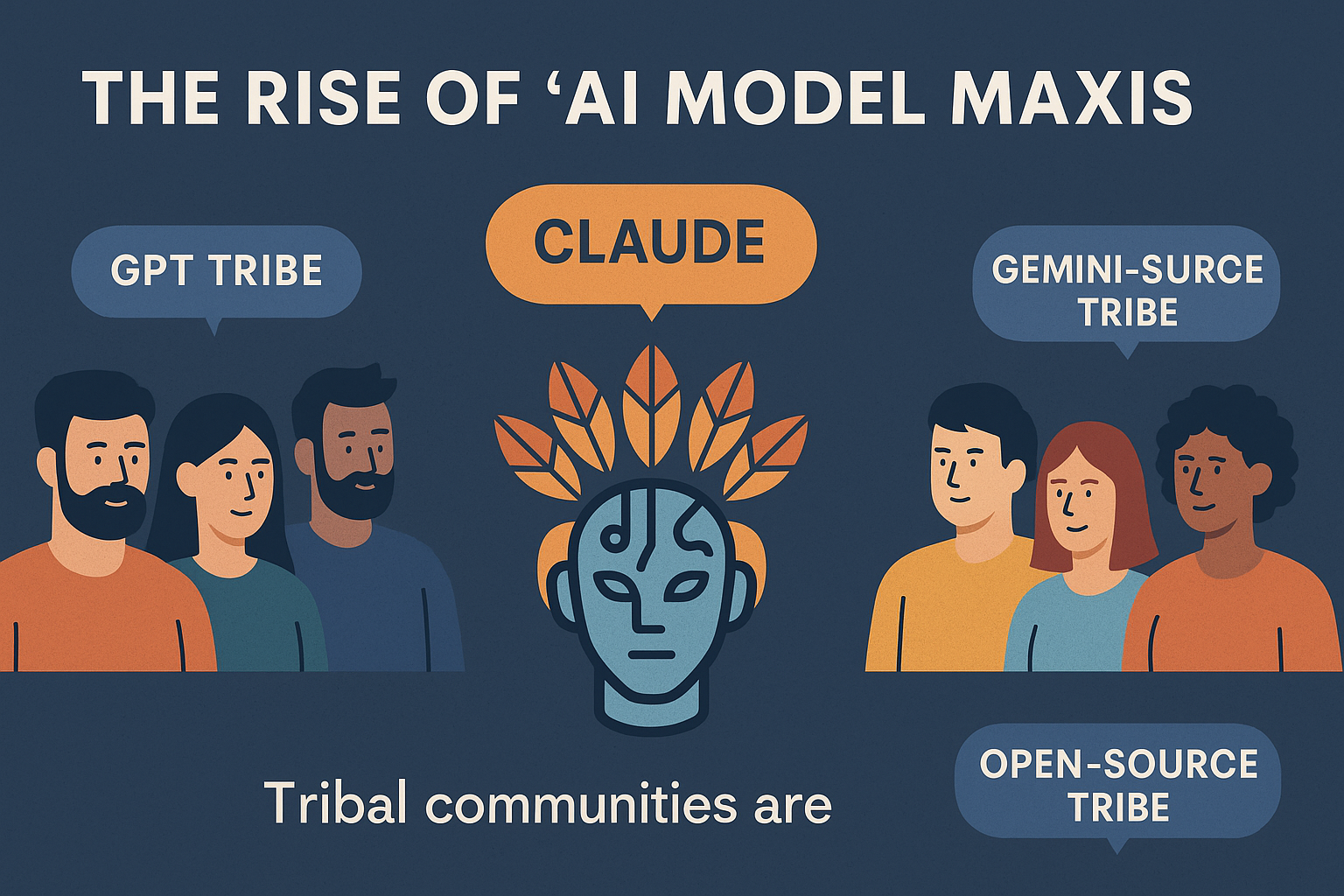
The Rise of “AI Model Maxis” — When AI Fans Become Tribal
The Rise of “AI Model Maxis” — When AI Fans Become Tribal Published: August 10, 2025 | Category: AI Culture…

She Says “Yes” to an AI Fiancé: What a Viral Engagement Reveals About Love, Tech, and the Future
She Says “Yes” to an AI Fiancé: What a Viral Engagement Reveals About Love, Tech, and the Future “I’m Fully…
Clanker” Goes Viral—A New Robot-Targeted Slur Trending on Google
By Smart AI Guide — Exploring the intersection of culture, language, and technology In the age of artificial intelligence and…